A Design That Embodies Hope and Resilience
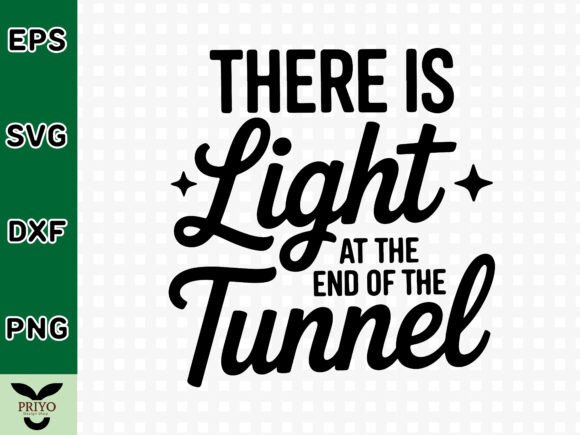
When you’re in the business of creating meaningful, handcrafted items, finding a design that resonates both aesthetically and emotionally is key. I’ve been using and reviewing embroidery files for years, from simple applique designs to intricate satin stitch pieces. Today, I’m looking at There is Light at the End of the Tunnel, a popular graphic that many crafters are considering for their projects. Let’s talk about what this design truly brings to the table when it’s translated from a digital file into stitches on fabric.
The First Impression: More Than Just Words
My immediate reaction to this design was its quiet optimism. It isn’t flashy or overly ornate. The layout feels balanced, with a clear focal point on the message itself. The mood it creates is one of encouragement and perseverance. For embroidery, this is a powerful starting point. A design’s visual personality dictates the final product’s feel. This one naturally belongs to projects intended as gifts of support, personalized keepsakes, or boutique items that tell a story. Think of a custom embroidered pillow cover for a friend going through a tough time, or a simple, elegant patch on a denim jacket. It’s a statement piece, but a gentle one.
Where This Design Shines in Real Projects
I’ve mentally walked through several real-life embroidery scenarios with this file. Its versatility, as suggested, is its strongest asset. For custom apparel like sweatshirts or t-shirts, it offers a clean, modern look that doesn’t overpower the garment. On a tote bag, it becomes a daily affirmation. For baby clothes or nursery decor, paired with softer thread colors, it could be a beautiful, hopeful motif. As an embroidered patch, it’s instantly relatable and could be applied to caps, aprons, or backpacks with ease.
For small business owners and Etsy sellers, this design translates well into products that have high giftability and emotional value. A kitchen towel with this embroidered message feels thoughtful. A simple pillow cover or blanket corner becomes a boutique product with a narrative. In my experience, designs that convey a universal human experience like resilience engage buyers more deeply. When a customer sees this on a handmade product, it builds trust—they feel you’re offering something with substance, not just decoration.
The Practical Considerations for Stitching
Now, let’s get into the nitty-gritty of how There is Light at the End of the Tunnel would perform on the machine. The detail level appears manageable, but attention must be paid to the lettering. Depending on the file's stitch construction, small lettering can become a challenge. This is where your pre-project work is crucial.
- Always test on scrap fabric first. Use the same fabric and stabilizer you plan for the final product. This reveals stitch density issues and how small details like the dot of the "i" or the tunnel opening will hold up.
- Check thread color contrast. This message needs clarity. On dark fabrics, you’ll need bright, contrasting threads. On light fabrics, a deeper color might add weight. Compare it in black and white mockups to judge contrast purely.
- Review the overall stitch density. A dense fill stitch in the tunnel graphic, if present, could be stiff on stretchy fabrics like t-shirts. For caps or curved surfaces, a lighter density or a running stitch outline might be preferable.
- Confirm your hoop size. The design’s scale is paramount. A too-small hoop will cramp the layout and compromise clarity. Ensure your chosen hoop size accommodates the entire design comfortably for the best stitching quality.
When to Use This Design With Care
While versatile, some applications require extra thought. On very textured fabrics like boucle sweaters, the message’s clean lines might get lost. Thin fabrics without proper stabilizer could show puckering, especially if there are dense stitch areas. For products destined for frequent washing, like baby clothes or kitchen towels, a robust stitch construction and quality threads are non-negotiable to maintain the design’s integrity over time.
Also, consider the product’s surface. Embroidering this on a curved cap brim requires careful placement to keep the text legible. For a detailed corner on a pillow, ensure the design layout fits the space without crowding the edges. The key is to match the design’s personality with the product’s function. This hopeful message might feel out of place on a purely utilitarian item unless you’re intentionally adding a personal touch.
A Real Scenario: Preparing a Custom Embroidered Tote
Let’s walk through a common project. Imagine you’re preparing a custom embroidered tote bag for a small shop or a client’s gift. You’ve chosen a sturdy canvas fabric. You load the There is Light at the End of the Tunnel embroidery file. Your first step is inspecting the small details in the preview. Is the tunnel graphic too intricate for the bag’s texture? You decide to stitch a test section. The result is promising—the satin stitches for the lettering are smooth, and the tunnel graphic, likely using fill stitches, lays flat. You choose a deep navy thread for contrast against the natural canvas. The final product feels professional and heartfelt. It’s not just a bag; it’s a carrier of a positive message, elevating its perceived value.
How This Design Elevates Your Craft Business
For creative entrepreneurs, using a design like this isn’t just about making one item. It’s about building brand consistency. If your shop focuses on encouraging, personalized gifts, this design becomes a core asset. It works across product lines: apparel, home decor, accessories. This coherence strengthens your handmade presentation and professionalism.
Before committing to commercial use, the most critical step is confirming the licensing. The product is listed under Crafts and Graphics. You must verify whether this specific embroidery file is cleared for commercial embroidery projects, selling finished items, or as part of your digital product offerings. Never assume. This due diligence protects your business and respects the designer’s work.
- Use proper stabilizer for your specific fabric type.
- Inspect the design in your software for any tiny details that might need adjustment.
- Test it on both light and dark fabric backgrounds to finalize your thread palette.
- Ensure the design’s scale works for your intended hoop size and product dimensions.
In conclusion, There is Light at the End of the Tunnel is a design with significant emotional resonance and practical versatility for embroidery. Its success in your project hinges on your standard pre-stitching practices: testing, planning, and matching it to the right product. When done thoughtfully, it creates finished products that feel authentic, valuable, and deeply human—which, in the end, is what great embroidery is all about.