A Designer’s Real-World Review: The Valentine PNG
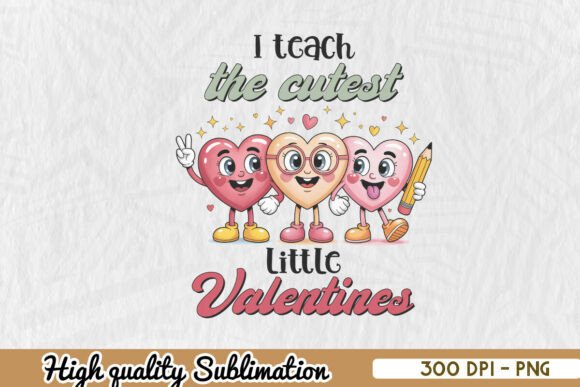
When a design file lands on my desktop, my first question isn't about its specs—it's about its soul. What will this look like when it's stitched into fabric, worn on a sweatshirt, or hung in a nursery? With I Teach Cutest Little Valentine Day PNG, that question was answered with a charming, instant smile. This isn't a complex technical graphic; it's a warm, clear invitation to make something heartfelt.
The Immediate Mood: Sweet Simplicity That Translates
The layout is straightforward and balanced. The core sentiment, "I Teach Cutest Little," is delivered with a friendly, almost handwritten personality, anchored by the classic Valentine heart. This creates a mood of affectionate pride. It feels personal, not generic. For embroidery, this is gold. The shapes are clean and well-defined, which means they’ll convert beautifully into satin stitch borders and tidy fill areas without becoming a muddy blob of thread on the machine. I immediately visualized it on a canvas tote bag for a teacher—not as a tiny, fussy detail, but as a confident, central statement.
Where This Design Finds Its Perfect Home
This embroidery file naturally belongs to projects where the message is the gift. Think custom apparel for educators: a soft, cotton-linen apron for a preschool teacher, or a cozy sweatshirt for a tutor. It’s ideal for personalized products like tea towels or pillow covers meant as holiday gifts from a classroom. For small business owners and Etsy sellers in the craft business, this design lends itself to a whole line of Valentine-themed merchandise—from embroidered patches for backpacks to baby embroidery on a onesie for a teacher's own little one. The graphic’s clarity makes it superb for printable mockups, helping digital product sellers showcase the finished product effectively to potential buyers.
Performance in Real-Life Embroidery Situations
Let's talk about stitching it. I imagined a real-life scenario: preparing a custom embroidered tote bag as a boutique product for a local gift shop. The design's scale and lack of microscopic detail mean it will hold up well on textured fabrics like canvas. On a baby clothes item, such as a cotton knit blanket, you’d want to use a good stabilizer to handle the slight stretch, but the open, non-dense areas of the lettering and heart shouldn’t pucker excessively. For caps or hats with curved surfaces, the design’s compact shape could work nicely in a smaller hoop size, though the lettering would need careful attention to ensure stitching clarity on the curved crown.
On dark fabric, the inherent contrast of the design elements becomes crucial. You’ll need to choose thread colors that pop—a bright red or pink for the heart, a crisp white or cream for the text. This is where testing on scrap fabric first is non-negotiable. Check the stitch density in your software preview; a design with overly dense fills can be stiff and unpleasant on wearable apparel like t-shirts.
Caution Zones: Where to Use With Care
While versatile, there are places to proceed thoughtfully. The small lettering in "Little," while clear in the PNG, can become less distinct if stitched too small or on a highly textured fabric like a loose-weave towel. I would avoid very small hoop sizes for this reason—give those letters room to breathe. On thin, stretchy fabrics for sleek sweatshirts, the stabilizer choice is paramount to prevent distortion. Also, for products destined for frequent washing, like kitchen towels or aprons, ensure your thread choices are high-quality and your stitch structure is secure to maintain that handmade presentation over time.
Impact on Your Project's Value and Appeal
Using a design like this correctly elevates everything. Its visual appeal is rooted in sincerity, which builds customer trust. When a buyer sees this embroidery on a product, it feels coherent and professionally executed, not slapped on. For a creative entrepreneur, it supports brand consistency if you specialize in thoughtful, personalized gifts. The giftability of any item featuring this design is high—it’s recognizably sweet and purpose-driven. This directly affects buyer engagement in your Etsy listings or craft fair displays; people connect with clear, emotional messages.
For commercial embroidery projects, such as a batch of tote bags for a small shop, the design’s efficiency is a benefit. It’s not overly time-consuming to stitch, which helps with scalability while maintaining a handmade feel.
Practical Notes From the Embroidery Hoop
- Always test the design on scrap fabric that matches your final project’s material.
- Review the design in both black and white mockups to judge its form independent of color.
- Compare how it looks imagined on both light and dark fabric backgrounds to plan your thread palette.
- Inspect the small details in your embroidery software before hooping. Are any corners too tight? Are any areas potentially too dense?
- Crucially, confirm the licensing of the digital embroidery file before selling finished items or incorporating it into commercial design assets. The product description mentions it’s for creating your own projects, but clarity on commercial use is essential.
In the end, I Teach Cutest Little Valentine Day PNG stands as a robust, cheerful graphics asset. It’s a design that asks for thoughtful application rather than complex technical skill. By matching it to the right project—a teacher’s gift, a boutique’s holiday collection, a personalized baby item—and executing the embroidery with care, you create a finished product that feels as warm and genuine as the message it carries.