A Designer’s Review: Potted Aloe Vera Line Art for Embroidery
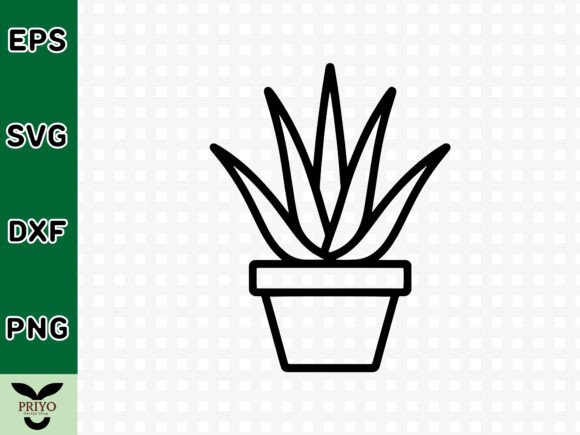
When I first look at the Potted Aloe Vera Plant Line Art design, my immediate thought is its clean, contemporary mood. It’s not fussy or over-detailed; it’s a confident, simple illustration that feels both modern and warmly organic. The layout is balanced—the pot provides a solid base, while the aloe leaves flow upward with a gentle, natural rhythm. This visual personality makes it exceptionally versatile. It doesn’t scream "cute" or "strictly minimalist"; it sits comfortably in that sweet spot of being approachable and stylish, which is exactly what you want for a handmade product that aims to appeal to a wide range of customers.
Where This Design Finds Its Home
Let’s picture a real scenario. I’m preparing a custom embroidered tote bag for a small boutique that focuses on natural, eco-friendly goods. I need a design that conveys a sense of calm, growth, and simplicity. The Potted Aloe Vera Plant Line Art fits perfectly. Its theme is universally understood—a houseplant, self-care, a touch of green life—without being overly thematic or seasonal. I can envision it stitched onto a natural linen bag, where the running stitch outlines would translate beautifully, creating a textured, artistic finish rather than a dense, heavy fill. It would feel handmade in the best sense: intentional and skillful.
This embroidery file naturally belongs to projects where clarity and clean lines are valued. Think custom apparel like relaxed sweatshirts, crisp apron corners, or the center panel of a pillow cover. For baby embroidery, a single stem stitched onto a cotton blanket or the corner of a nursery item would be gentle and charming. As a embroidered patch, it would be distinctive yet easy to apply. For small shop merchandise—tea towels, simple caps, or holiday gifts like a kitchen towel set—it adds value through its understated elegance. It’s also a prime candidate for digital product sellers creating printable mockups or design assets; the line art serves as a superb, clean base for preview graphics.
Performance in the Real World of Stitching
In practical embroidery project use, the success of a design like this hinges on its translation from screen to stitches. The Potted Aloe Vera Plant Line Art, with its open, line-based form, should generally stitch out with good clarity. On a mid-weight cotton or canvas tote, the outlines will be crisp. On a sweatshirt embroidery, using a proper stabilizer is key to prevent puckering, as the design isn’t dense but does have some longer, continuous lines. The pot’s rounded base and the leaf tips are the areas to watch; they need to be sharp, not blurred. On darker fabrics, you’ll need to carefully consider thread color contrast—a bright white or a soft sage green would pop nicely against navy or black, maintaining that clean graphic feel.
Where you should use this design carefully involves scale and fabric. In very small hoop sizes, the finer details of the leaf serrations might get lost or become too tight, compromising the design’s character. On highly textured fabrics like a loose knit or a thick towel, the lines might not appear as smooth. Stretchy fabric requires extra stabilization to keep the lines from distorting. And on curved surfaces like caps, the design’s vertical orientation works well, but placement needs to be precise to avoid the pot sitting awkwardly on a steep curve.
The Impact on Your Finished Product and Business
Using a design with this aesthetic directly affects your customer trust and brand consistency. When a client or buyer sees this on a finished product, it communicates thoughtfulness. It’s not a generic, mass-market image; it’s a specific, artistic choice. That elevates the perceived value of your handmade presentation. For craft business owners and Etsy sellers, this kind of design can become a signature element—reliable, recognizable, and professional. Its giftability is high because it’s personal yet not overly specific; it can suit a gardener, a new homeowner, or someone simply appreciating a quiet, natural motif.
For commercial embroidery and personalized gifts, the design’s flexibility is a strength. It can be adapted in color to match brand palettes or gift themes. Its clarity ensures that even from a distance on a boutique product or at a craft fair, the item looks intentional and well-made, boosting buyer engagement. It doesn’t look "tested" or amateur; it looks like a confident design choice.
A Designer’s Practical Notes Before You Stitch
Before loading this digital embroidery file and starting your project, a few steps are non-negotiable. Always test the design on scrap fabric first. Use the same material and weight you intend for the final product. This tells you everything: how the lines translate, if any stitch density issues arise in the pot’s base, and whether your chosen thread colors achieve the desired contrast.
Check hoop size compatibility. While the product description mentions versatility for prints and graphics, for embroidery, you must confirm the file includes sizes suitable for your project—a 4x4 hoop for a cap, a 5x7 for a tote pocket. Inspect small details in a test run; are the leaf tips sharp? Does the pot’s outline close smoothly? Also, test it in black and white mockups if you’re selling the design as a digital product or using it in listings; see how it looks as a simple graphic without color.
Consider fabric background thoroughly. Compare light and dark fabric backgrounds in your test. A single color thread scheme might work on both, or you might need a light version and a dark version of the design file for optimal clarity. And crucially, use proper stabilizer. Even for line art, stability is what keeps those clean lines clean.
Finally, a note on usage: the description states it’s ideal for many tasks, including prints. For embroidery designers and creative entrepreneurs, it’s essential to confirm licensing before selling finished items or digital products. Understand if the Potted Aloe Vera Plant Line Art comes with a license for commercial embroidery projects, or if it’s for personal use only. This due diligence protects your business and respects the original designer.
In summary, the Potted Aloe Vera Plant Line Art is a strong, adaptable design from the Graphics category that holds real promise for Crafts like embroidery. Its strength is in its clean, mood-setting simplicity. By approaching it with practical testing and an understanding of its best applications, you can create finished products that feel both beautifully handmade and professionally polished, exactly what today’s makers and their customers are looking for.