Customized Mama Lucky Charms PNG: A Designer's Practical Review
When a new embroidery design lands in my library, my first instinct isn't just to admire it. I immediately start picturing it stitched onto real fabric, held in a customer's hands, or displayed in my shop. The Customized Mama Lucky Charms PNG prompts exactly that kind of practical imagination. This isn't just a graphic; it’s a mood captured in a digital file, waiting for thread and texture.
The Immediate Mood & Visual Personality
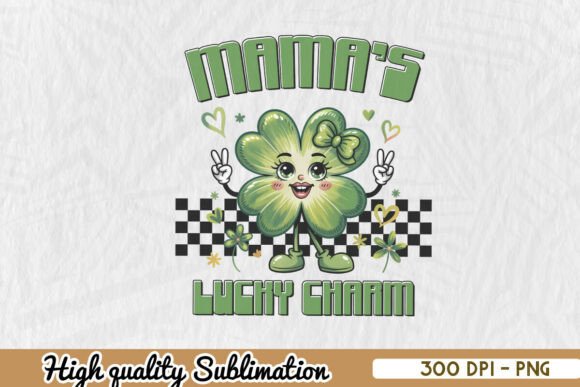
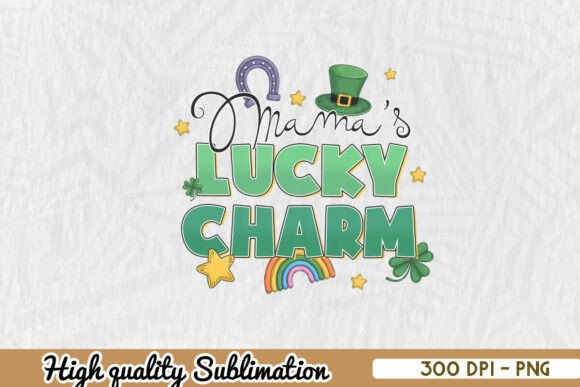
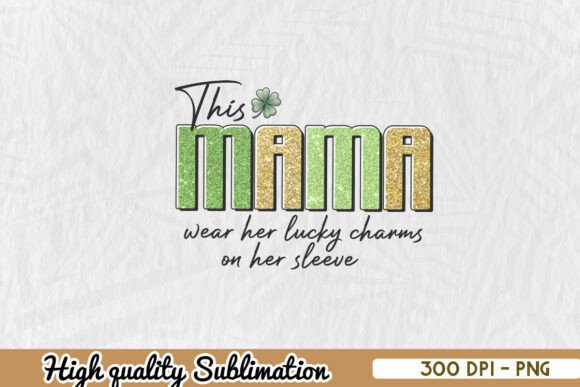
This design feels celebratory and tender. The “Mama” focus and the lucky charm theme combine to create a warm, personal, and slightly playful aesthetic. It doesn’t scream loud; it whispers affection. For embroidery designers and crafters, that’s a powerful starting point. The layout likely centers around a word or motif that feels both nostalgic and fresh—ideal for personalized gifts. My first thought was how this would translate into satin stitch lettering and perhaps some delicate fill stitch accents for the charm elements. The detail level, from the description, suggests it’s crafted for clarity, which is paramount when a design moves from screen to stitch.
The Natural Home: Where This Design Belongs
In my mind, I’m already hooping a soft cotton canvas for a tote bag. A client wants a unique gift for a new mom—something heartfelt but not overly sentimental. This design, embroidered on the front of a natural-colored tote, feels perfect. The craft business angle is strong here: it’s a design that elevates a simple product into a personalized gift. Beyond totes, it naturally calls out for baby clothes—a little embroidered motif on a burp cloth or the corner of a blanket. For small shop merchandise, think pillow covers in a nursery, aprons for a grandmother, or tea towels for a kitchen. It has that “boutique” feel without being overly fussy.
For Etsy sellers and apparel decorators, it’s also a candidate for the center of a relaxed-fit sweatshirt. The key is matching the design’s personality to the product’s use: cozy, personal, and giftable. I wouldn’t put it on a formal blazer, but on a soft cap or a linen apron? Absolutely.
Thinking Through the Stitch: Practical Performance
Moving from idea to needle means considering real-life embroidery situations. With a “Mama” themed design, stitch clarity is everything. The recipient’s eye should catch the word and the charm elements cleanly. On darker fabric backgrounds, careful thread color contrast is essential—a bright white or a pastel satin stitch against navy fabric can make this pop beautifully. On textured fabrics like sweaters or certain blankets, you’ll need a good stabilizer to keep those details crisp.
For commercial embroidery projects where speed matters, assessing the stitch density is crucial. Too dense, and it becomes slow and bulky on lightweight tees; too light, and it might lack presence on a tote bag. Without the exact file specs, my strong advice is to always test the design on scrap fabric first. Run it on the material you intend to use—whether it’s a baby jersey knit or a sturdy canvas—and see how the small details, like any tiny lettering or decorative accents, hold up.
Careful Application: Where to Proceed with Caution
Every design has its ideal applications and its trickier ones. For the Customized Mama Lucky Charms PNG, I’d be cautious on very small hoop sizes. If the design is rich with elements, shrinking it down for a tiny patch might compress details and make stitching muddy. Similarly, on highly stretchy fabric or thin fabric without proper stabilization, the design could distort.
Curved surfaces like caps require designs with adaptable layouts. If this design has a centralized, horizontal orientation, it might need adjustment for a cap’s front panel. Also, for products destined for frequent washing—like kitchen towels or kids’ apparel—you want to ensure the stitch structure is robust. A well-digitized file with appropriate underlay will stand up to laundering, protecting your handmade product’s longevity and your customer’s trust.
The Impact on Your Business & Your Customer
Using a design like this isn’t just about making something; it’s about communicating value. A clean, well-executed embroidery of this theme on a tote bag or pillow cover instantly boosts the product’s perceived worth. It feels considered. For creative entrepreneurs, that enhances brand consistency if you specialize in heartfelt, personalized items. The “giftability” factor is high, which directly affects buyer engagement in online listings or at craft fairs.
Presenting it professionally also means thinking about digital product previews or printable mockups. If you’re selling the finished embroidered item, showing it on a beautiful mockup of a sweatshirt or baby blanket helps the customer visualize exactly the warm, lucky-charm mood you’re offering. That connection is everything.
A Designer’s Final Notes Before Hooping
Before I commit this design to a client’s project or my shop inventory, my checklist is practical. First, I’d test it on both light and dark fabric scraps to finalize my thread palette. I’d inspect the small details in a black and white mockup to see if they hold their form without color. I’d confirm the hoop size needed matches my product’s dimensions.
Crucially, I’d verify the licensing terms. The description mentions it’s for creating your own projects, but for small business owners and digital product sellers, clear understanding about commercial use is essential. Can I sell the embroidered tote bags and patches? Always confirm before selling finished items.
Ultimately, the Customized Mama Lucky Charms PNG strikes me as a graphics asset with strong emotional resonance for the crafts world. It’s not a generic motif; it’s a conversation starter between maker and recipient. When stitched with care onto the right product, it becomes more than an embroidery file—it becomes a keepsake. That’s the kind of design that not only fills a hoop but also fulfills a purpose.