Evaluating Latte Art Coffee Line Art for Real Embroidery Projects
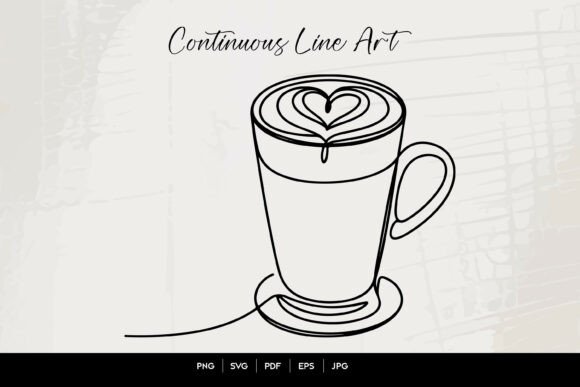
Every time I pull a new design into my software, I’m not just looking at a graphic. I’m thinking about stitches, about fabrics, about the hands that will hold the finished product. When I opened Latte Art Coffee Line Art, that practical, on-the-hoop mindset kicked in immediately. This isn’t a generic coffee cup; it’s a specific, stylized piece of line art that tells a story before a single thread is loaded.
The Immediate Mood: Minimalist & Modern Cafe Culture
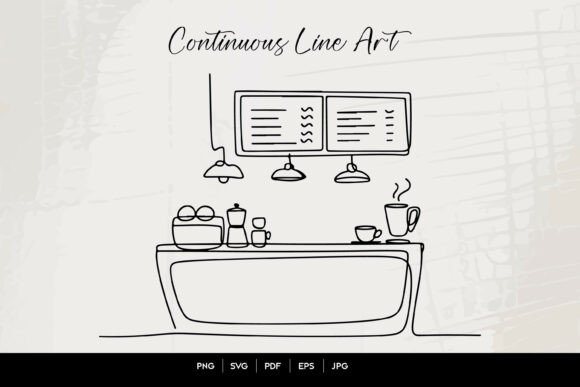
The first impression is clean and contemporary. The continuous line forming the mug and the heart-shaped latte art foam creates a sense of effortless sophistication. It feels less like a literal illustration and more like a symbol—a badge for coffee lovers, baristas, and anyone who finds a quiet moment of joy in a morning cup. The minimalist nature is its greatest strength; the lack of heavy fills or dense shading means it’s inherently suited for embroidery, where clean lines often translate to clearer stitches and a more professional finish.
A Real Scenario: Crafting a Boutique Kitchen Towel Set
Imagine you’re creating a set of embroidered tea towels for a small shop or a personalized gift. You want something that speaks to a cozy, modern kitchen aesthetic without being kitschy. Latte Art Coffee Line Art fits perfectly here. Stitched in a single, contrasting thread color along the hem of a linen towel, it becomes a subtle, elegant accent. It suggests quality and a curated lifestyle, which is exactly what buyers of handmade home goods are often seeking. The design’s simplicity means it won’t overwhelm the fabric’s texture, and the single-line approach ensures the stitch count remains manageable, even on a smaller hoop.
Where This Design Excites in Practical Application
This graphic’s personality leans towards apparel and accessories that carry a personal or lifestyle statement. Here’s where I see it performing exceptionally well in real embroidery projects:
- Custom Apparel: On the chest of a relaxed-fit sweatshirt or a tucked into the corner of a t-shirt, it’s an understated logo for a cafe employee or a perfect gift for a coffee enthusiast. The line art style feels intentional and designed, elevating a simple garment.
- Tote Bags & Aprons: For small business merchandise or craft fair products, this design on a canvas tote or a cotton apron immediately communicates a theme—coffee shops, breakfast cafes, cozy bistros. It’s brandable without being overtly commercial.
- Baby Items & Nursery Decor: On a baby bib or a blanket, stitched in a soft pastel thread, it becomes a sweet, modern motif for parents who are coffee lovers. It’s a gentle, graphic alternative to more traditional baby embroidery.
- Holiday & Personalized Gifts: Embroidered onto a pillow cover or a kitchen towel set, it’s a ready-made, thoughtful gift for weddings, housewarmings, or holidays. Its universal theme makes it giftable and instantly recognizable.
- Patches & Caps: As an embroidered patch, it’s clean and crisp. On a cap, the curved surface can handle this design well, provided the smaller details of the foam heart are tested for clarity.
For Etsy sellers and digital product sellers, the provided file formats like SVG and PNG are crucial. They allow for clean printable mockups in listings, showing customers a clear vision of the finished product without needing to stitch it first for photography. This builds customer trust from the first click.
Points for Careful Consideration Before Hooping
While the design is beautifully simple, its successful embroidery depends on mindful execution. These are my practical notes from the designer’s chair:
- Small Hoop Sizes & Tiny Details: The heart-shaped foam detail is the smallest element. On very small hoop sizes, this area needs attention. A test on scrap fabric is essential to ensure your machine’s satin or running stitches render it clearly, without becoming a blob.
- Fabric Choice: On highly textured fabrics like some towels, or on stretchy fabrics like certain t-shirts, the continuous line could lose its crispness if the stabilizer isn’t chosen correctly. On dark fabrics, thread color contrast is paramount—a bright white or cream thread will make this design pop, while a poorly chosen color will hide its elegance.
- Stitch Density & Machine Settings: Since the description doesn’t provide specific stitch counts, you must review the stitch density in your software before proceeding. A line art design can sometimes be programmed with unexpectedly dense stitches if the file isn’t optimized for embroidery. Check it, and adjust if necessary to prevent puckering, especially on lighter fabrics like baby clothes.
- Commercial Use & Licensing: Before selling finished items or using it for commercial embroidery client projects, confirm the licensing terms associated with the design. The fact that it comes with multiple vector and image formats suggests it’s meant for broad use, but always verify.
How This Design Elevates Your Finished Product
Using Latte Art Coffee Line Art isn’t just about adding a decoration; it’s about adding a value. Its minimalist, modern aesthetic increases the perceived quality of a handmade product. It looks deliberate and designed, which fosters brand consistency if you use it across a product line. For the end customer, it’s highly recognizable and resonates with a popular culture theme, which boosts buyer engagement. It feels professional, not homemade, which is a key distinction in a competitive market.
Final Practical Steps for the Embroidery Designer
My process before committing this to a client’s sweatshirt or a batch of tote bags would be:
- Test on Scrap: Run the design on a piece of scrap fabric that matches the intended final fabric—both in color and texture. Examine the heart detail and the smoothness of the cup’s curve.
- Check Contrast: Create black and white mockups in your design software, and physically test thread colors on both light and dark fabric backgrounds. The design’s impact relies entirely on this contrast.
- Confirm Hoop Size: Decide on the smallest hoop size you’d comfortably use based on your test. This informs your production efficiency.
- Stabilizer Strategy: Match your stabilizer to the fabric. For a delicate line art design, you want clean stitches without fabric distortion.
- Project Matching: Finally, pair the design with the project that best suits its mood. It’s perfect for a boutique’s kitchen line, a personalized gift for a coffee lover, or a clean logo-style piece on apparel. It might be less ideal for a project requiring high-density, bold fills or extreme durability on heavy-work items.
In essence, Latte Art Coffee Line Art is a versatile, stylish embroidery file that carries its weight through simplicity. It offers a clear path from digital design asset to a stitched product that feels curated and contemporary. By approaching it with these practical considerations, you can ensure that the final embroidered project reflects the clean, inviting charm of the design itself—a single, perfect line waiting to be stitched into reality.