The Chic Teacher Assistant PNG: A Designer's Hands-On Review
As someone who designs and stitches for clients every day, I’ve learned that a good embroidery file isn't just about high quality—it's about how it translates into a real, tactile finished product. When I look at the Chic Teacher Assistant Sublimation PNG, my first thought isn’t about the file itself, but about the embroidered tote bag it could become for a proud educator’s aide. Let me walk you through what I see, from a designer’s practical perspective.
First Impressions: Personality and Project Fit
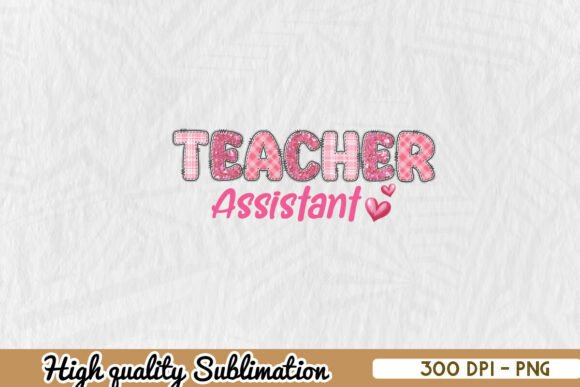
The design immediately strikes a balance between playful and professional. The “Chic Teacher Assistant” lettering has a friendly, modern feel that suggests a gift, not a generic corporate logo. This isn’t a design you’d use for a formal uniform patch; it’s perfect for a personalized gift or small shop merchandise. The layout is clear and centralized, which is a huge advantage for embroidery. It tells me this will stitch out cleanly on a sweatshirt, a pillow cover, or the front of an apron without awkward, unbalanced elements.
The overall mood is celebratory and appreciative. It feels tailored for a specific person—the assistant who brings both order and heart to the classroom. That specificity is its greatest strength. For a crafter or small business owner, this means the finished product has a built-in emotional hook. A customer isn’t just buying a decorated item; they’re buying a recognition of a valued role.
Translating the PNG Into Stitched Reality
Now, let’s imagine this PNG transformed into stitches. I’m picturing it on a sturdy canvas tote bag, a popular item for teacher gifts. The clear, bold lettering would lend itself well to a crisp satin stitch outline or a solid fill stitch for the main text. Because the design isn’t overly dense with tiny decorative accents, it avoids the common pitfall of high stitch density on thinner fabrics. This means it could also work nicely on a tea towel or a baby item like a personalized blanket for a teacher’s new child, provided you use the right stabilizer.
For commercial embroidery or a craft business producing multiple items, this simplicity is efficient. It would stitch out relatively quickly, saving on thread and machine time, which matters when calculating the cost of an Etsy listing or craft fair product. The visual clarity also ensures the message is readable from a distance—a key detail for items like caps or embroidered patches meant to be worn.
Where This Design Shines and Where to Tread Carefully
This design naturally belongs on items meant for light use and display. Think holiday gifts, boutique product mugs, or framed nursery decor. It would be charming on the pocket of a custom apparel sweatshirt. However, its charm depends on that clean lettering, so you need to be cautious on certain surfaces.
On very textured fabrics like some knit sweaters, or on dark fabric if you’re using lighter threads, small imperfections in stitching can get lost. Curved surfaces like caps require careful hooping and stabilizer choice to keep the text from distorting. I would not recommend trying to scale this down to a very small hoop size for a delicate baby clothes application unless you test extensively on scrap first. The lettering needs space to maintain its stitching clarity.
Products that will undergo frequent washing, like kitchen towels or daily wear t-shirts, demand a robust embroidery approach. Using a strong stabilizer and perhaps opting for a simpler stitch type for the fill areas would help the design endure and maintain that handmade presentation quality your customer expects.
The Business and Emotional Impact of a Well-Stitched Design
From a business owner’s view, using a design like this effectively boosts product value. It turns a plain tote into a thoughtful, niche-specific item. That builds customer trust—they see you understand their need for a meaningful gift. For a digital product seller, this PNG serves as a strong design asset for creating printable mockups that show potential buyers exactly how the final embroidery project could look.
The visual appeal is direct and warm, which enhances giftability and buyer engagement. A client receiving an embroidered pillow with this design feels recognized personally. That emotional connection is what separates a successful handmade product from a mass-produced one. It also aids in brand consistency if you, as a maker, specialize in educator-themed items—your shop becomes a go-to source for thoughtful, well-executed crafts.
A Few Practical Notes From the Hoop
Before you load this file and start stitching for a client or your shop, here are my on-the-ground recommendations. Always test the design on scrap fabric first, preferably the same material as your final product. Check thread color contrast against your background fabric—a mockup in black and white can help judge contrast levels. Inspect small details in the PNG file itself; ensure there are no microscopic elements that will become fuzzy or lost in translation to stitches.
Given that this is listed under Crafts and Graphics, it’s crucial to confirm licensing before selling finished items. The description mentions it's easy to create your own projects, but always verify the terms for commercial use. Lastly, remember that a PNG is a digital image. For machine embroidery, you'll need to convert it to a proper embroidery file format compatible with your machine, considering factors like stitch type and pathing. The high-quality source file is a great starting point, but the final stitched result depends entirely on your skilled translation and setup.
In the end, the Chic Teacher Assistant Sublimation PNG offers a solid, appealing foundation. It’s a design that, with careful embroidery execution, can become a cherished piece of personalized gift or a standout product in your craft business lineup. It reminds us that the best designs are those that stitch not just onto fabric, but into someone’s story.